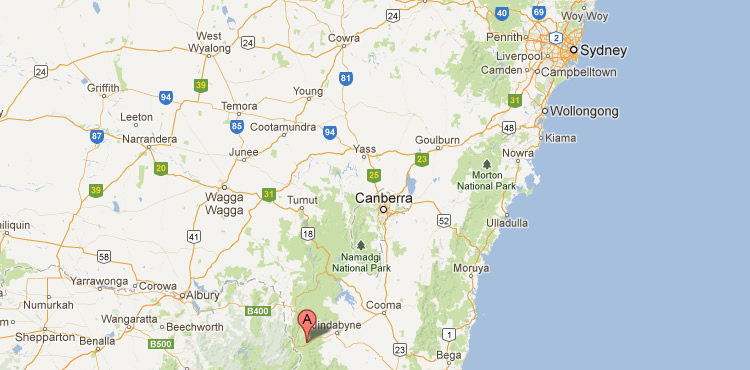
About Kosciuszko National Park
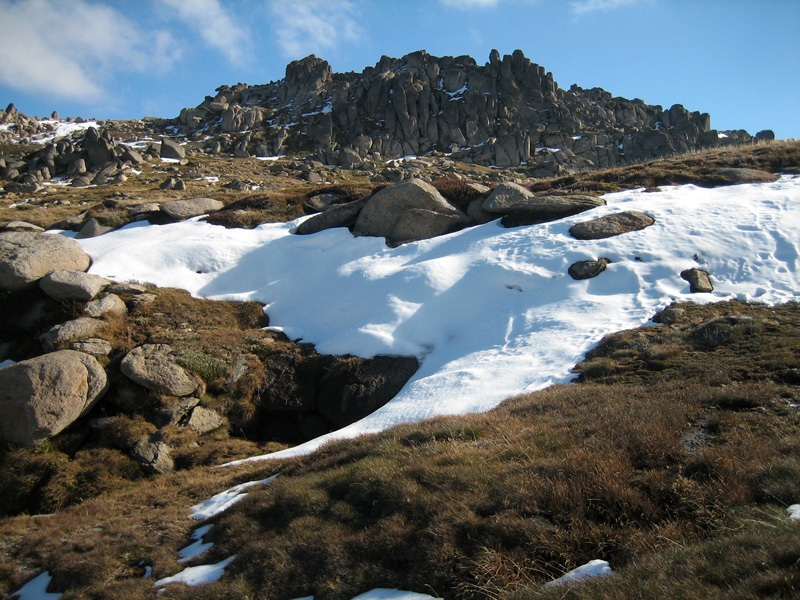
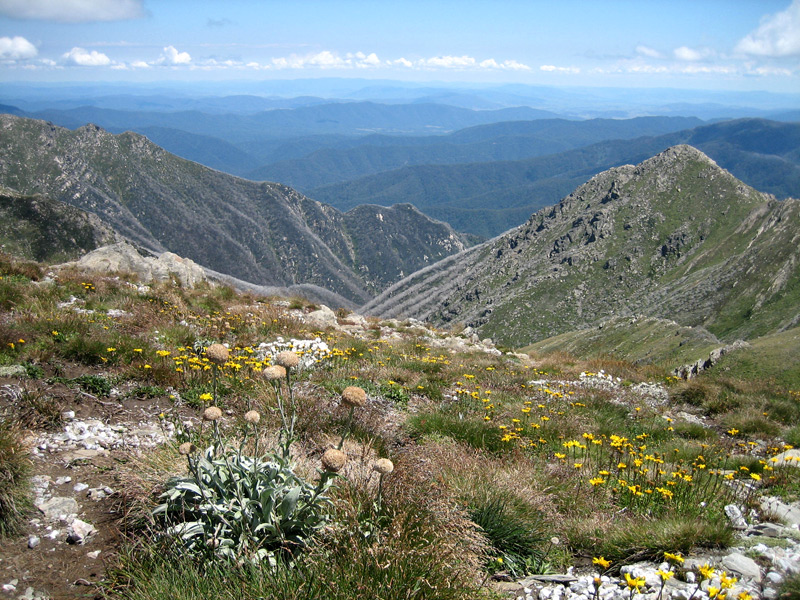
Kosciuszko National Park is part of an alpine area which has quite distinct features, with glacial lakes such as Blue Lake, Lake Albina and Hedley Tarn, and large granite boulders dominating the area. The vegetation varies from herbfields of snow grass and and snow daisies, heaths, feldmarks (consisting of bare, stony ground between plants), and alpine bogs. There are a number of walks you can take across the alpine area.
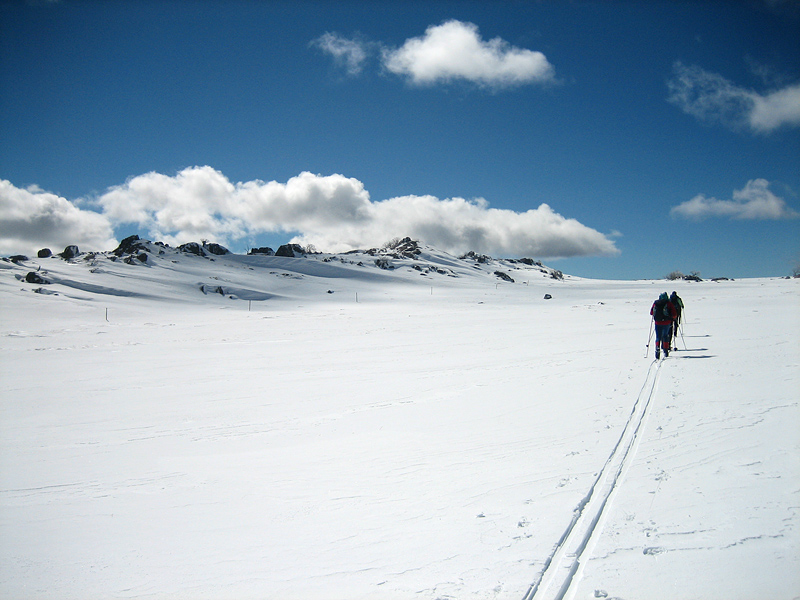
The Mount Kosciuszko area is the coldest and snowiest part of Australia, which is mostly an arid and hot continent. Snow covers the mountain from June through October.
Mount Kosciuszko
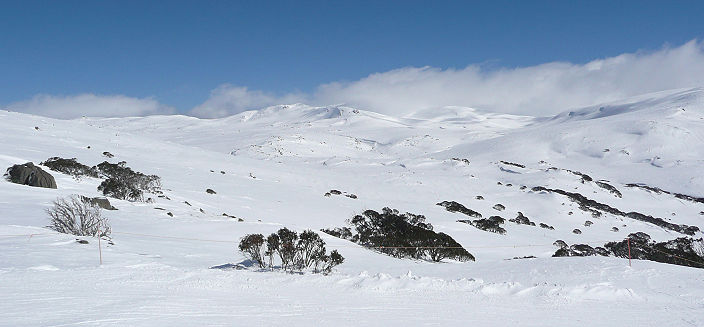
With a height of 2,228 metres above sea level it is the highest mountain in Australia.
It was named by the Polish explorer Count Paul Edmund Strzelecki in 1840, in honour of the Polish national hero and hero of the American Revolutionary War General Tadeusz Kosciuszko
Mount Kosciuszko, the lowest of the Summits or the seven highest points on the seven continents. Here is the list of the seven summits:
| Name | Height | Location |
|---|---|---|
| Mt. Everest | 8850m | Asia |
| Aconcagua | 6962m | South America |
| Mount McKinley | 6194m | North America |
| Kilimanjaro | 5895m | Africa |
| Mount Elbrus | 5642m | Europe |
| Mount Vinson | 4897m | Antarctica |
| Mount Kosciusko | 2228m | Australia |
Flora and Fauna
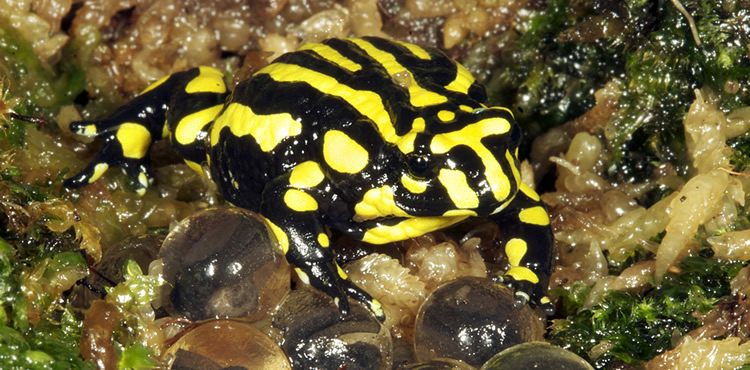
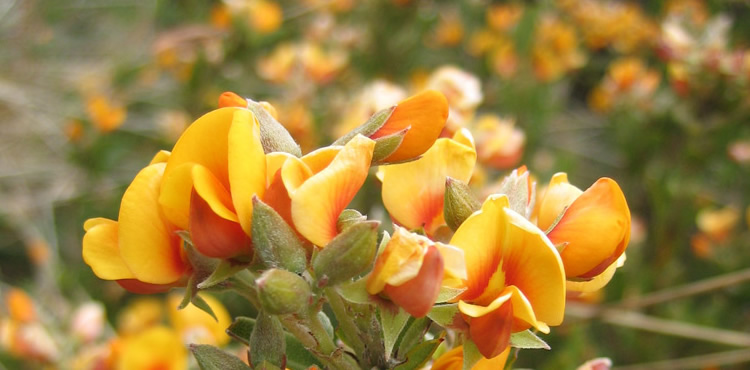
Many rare or threatened plant and animal species occur within the boundaries of the park such as the Corroboree frog and the Mountain Pygmy Possum.
Much of the park is dominated by alpine woodlands, characterised by the Snow Gum.
Some of the most common plants at Kosciuszko National Park are Snow Daisies, Heaths and Feldmarks.